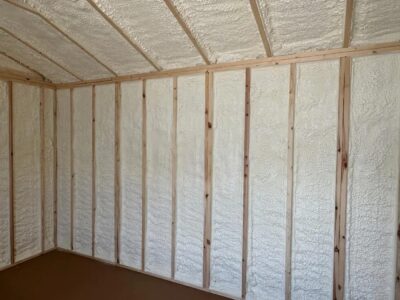
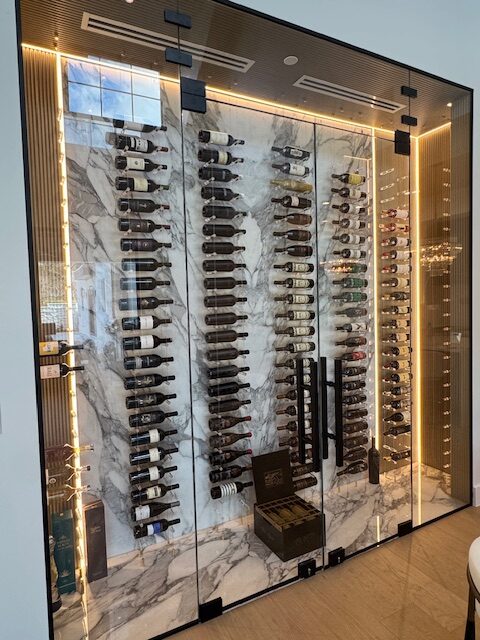
Water damage is one of the most expensive—and avoidable—issues in wine cellar design. Whether it’s caused by condensation, improper drainage, or equipment failure, moisture can compromise racking, finishes, and even the wine itself.
At Cable Wine Cellars, we design wine cellars to perform long-term, not just look good on day one. Here are three critical ways to protect your wine cellar from water damage—especially in modern, glass-forward or luxury installations.
1. Manage Condensation Before It Starts
Condensation is the most common source of moisture problems in wine cellars, particularly in glass enclosures or installations located in warm, humid environments.
When warm air meets cool surfaces—like glass walls, doors, or metal racking—moisture forms. Left unaddressed, this can lead to dripping glass, warped materials, and mold growth.
Best practices:
- Use properly insulated glass (dual- or triple-pane where required)
- Ensure tight door seals and professional gasketing
- Match the cooling system precisely to the cellar’s heat load
- Maintain stable humidity levels inside the cellar
Thoughtful planning at the design stage is the best defense against condensation-related water damage.
2. Design Drainage With Purpose
Cooling systems naturally produce condensation, and that moisture has to go somewhere. Poor or nonexistent drainage can quickly result in standing water, damaged flooring, or hidden moisture behind walls.
What to plan for:
- A dedicated drain line connected to the cooling system
- Proper slope to ensure gravity-fed drainage
- Secondary drain pans or safety switches where appropriate
- Easy access for future service and maintenance
Drainage should never be an afterthought—it’s a core component of a reliable wine cellar system.
3. Choose Materials That Can Handle Moisture
Wine cellars operate in a controlled but humid environment by design. Using the wrong materials can accelerate deterioration if moisture is ever introduced.
Smart material choices include:
- Moisture-resistant woods or properly sealed finishes
- Non-corrosive metals for racking systems
- Flooring materials rated for below-ambient temperatures
- Professional-grade coatings and sealants
Cable wine racking systems are particularly well-suited for modern cellars, as they allow airflow, resist moisture issues, and reduce surface contact that can trap condensation.
The Bottom Line: Prevention Is Everything
Water damage in a wine cellar is rarely caused by a single failure—it’s usually the result of overlooked details. Proper cooling design, thoughtful drainage, and material selection all work together to protect your investment.
At Cable Wine Cellars, we collaborate with homeowners, designers, builders, and HVAC professionals to engineer wine cellars that perform beautifully for years to come—without surprises behind the glass.
If you’re planning a wine cellar project and want to ensure it’s done right from the start, our team is here to help.
Planning a wine cellar project?
Involve your wine racking and cooling partners early, and build it right the first time.
📞Contact us today to get started on your luxurious wine cellar!